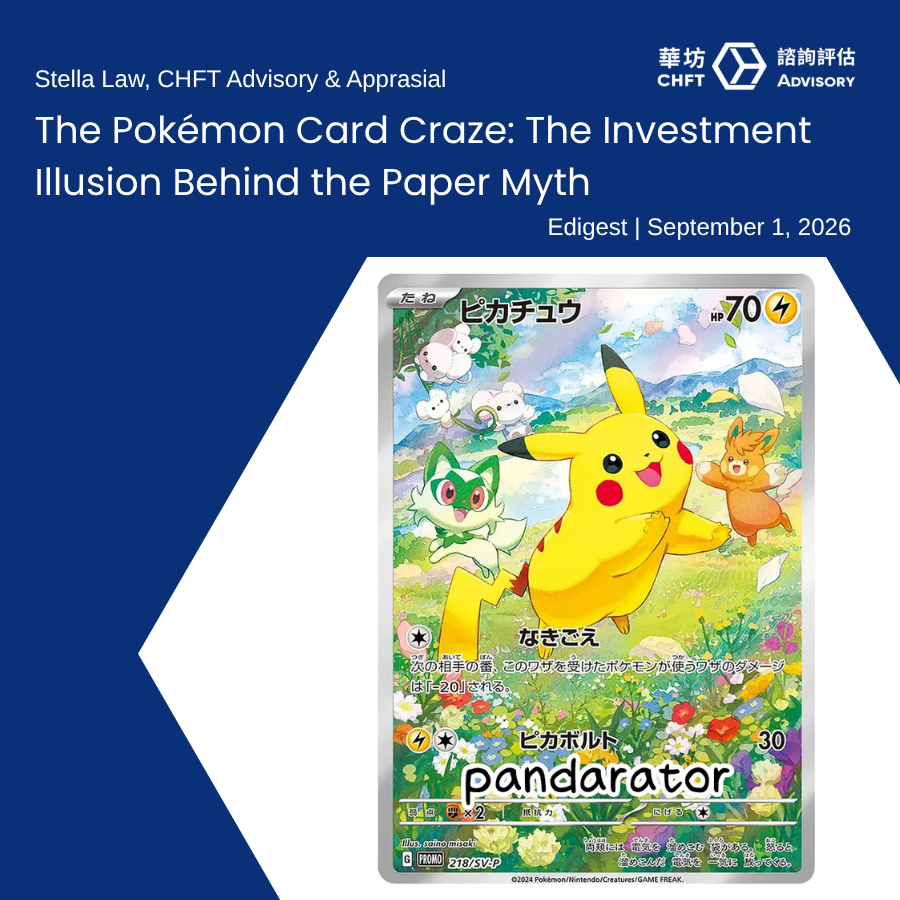
In recent years, with the rise of alternative asset markets, Pokémon cards have become one of the most prominent commodities. Earlier this year, Logan Paul sent the world’s only PSA 10 “Pikachu Illustrator” card to auction, which ultimately sold for $16,492,000, setting a new record for trading card auctions. Why can a piece of paper originally printed with cute monsters command such astonishing value? The high valuation of Pokémon cards primarily stems from three factors. First is scarcity and historical significance. Prize cards distributed exclusively through competitions with extremely low circulation—such as the Pikachu Illustrator—carry the historical status of the Pokémon IP, endowing them with collector’s value akin to antiques. Second is the financialization of the grading system. Organizations like PSA and BGS quantify the condition of cards, and a pristine condition like a PSA 10 can cause prices to skyrocket, transforming toys into standardized tradable commodities. Third is the sentiment premium. As the post-80s and post-90s generations have grown up and gained purchasing power, they are willing to pay high prices for childhood memories, forming a stable buyer base.
Full article published in Edigest, written by Stella Law of CHFT Advisory and Appraisal.